
Turmeric has been a cornerstone of Indian kitchens and traditional wellness practices for centuries.
Known for its vibrant yellow color and earthy flavor, turmeric contains curcumin, a natural compound studied for its potential health benefits.
Modern research continues to explore how turmeric may support overall health when consumed as part of a balanced diet.
This guide explains what turmeric is, its nutritional value, proven benefits, safe consumption methods, and important precautions.
What Is Turmeric?
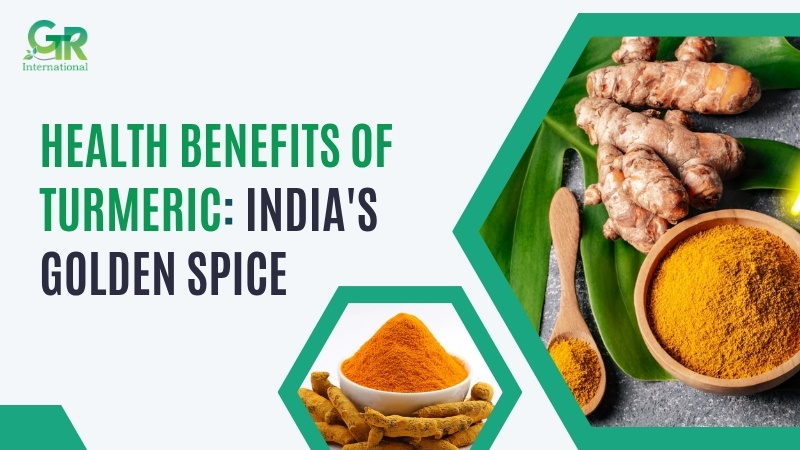
Turmeric is a flowering plant from the ginger family. Its underground stem, called the rhizome, is dried and ground into the familiar yellow spice used worldwide.
India produces most of the world’s turmeric and has incorporated it into cooking and traditional wellness practices for thousands of years.
Besides adding flavor and color to food, turmeric contains antioxidants and bioactive compounds, particularly curcumin. Curcumin has become the focus of extensive scientific research because of its anti-inflammatory and antioxidant properties.
Turmeric naturally contains small amounts of vitamins, minerals, and dietary fiber. Although curcumin makes up only a small percentage of turmeric, it is responsible for many of the spice’s researched health effects.
Fresh turmeric and dried turmeric powder are both popular. Fresh turmeric offers a milder taste, while powdered turmeric is convenient for cooking and beverages.
Turmeric is commonly added to curries, soups, rice dishes, smoothies, herbal teas, and golden milk.
Choosing high-quality turmeric without artificial coloring helps maximize its nutritional value.
History of Turmeric in India
Turmeric has been cultivated in India for over 4,000 years.
Ancient Ayurvedic texts describe turmeric as an important herb used in daily life.
It became a symbol of purity, wellness, and prosperity.
Beyond cooking, turmeric has traditionally been used during festivals, weddings, and religious ceremonies.
Today, India remains the largest producer and exporter of turmeric worldwide.
Nutritional Value of Turmeric
Turmeric provides:
- Curcumin
- Dietary fiber
- Manganese
- Iron
- Potassium
- Vitamin C (fresh turmeric)
- Antioxidants
- Plant compounds called curcuminoids
Although turmeric is nutritious, most health research focuses on curcumin rather than the spice alone.
Top Health Benefits of Turmeric
Turmeric offers several potential health benefits supported by laboratory studies, clinical research, and traditional use. While results vary between individuals, adding turmeric to meals can contribute to a healthy eating pattern.
Curcumin helps protect cells from oxidative stress by neutralizing harmful free radicals.
Research also suggests that curcumin may influence several biological pathways involved in inflammation.
These effects have made turmeric one of the most studied spices in nutrition science.
Turmeric is not a medicine or cure for disease. However, when combined with a healthy diet, regular exercise, quality sleep, and medical care when needed, it may support long-term wellness.
Supports Natural Immunity
Curcumin contains antioxidant compounds that help protect cells.
A balanced immune system relies on adequate nutrition, and turmeric can be one useful ingredient within an overall healthy lifestyle.
Helps Reduce Inflammation
Inflammation is the body’s natural response to injury and infection.
Long-term inflammation has been linked with several chronic conditions.
Research suggests curcumin may help regulate inflammatory processes.
Promotes Healthy Digestion
Turmeric may stimulate bile production, which supports digestion of dietary fats.
Some people report reduced bloating and improved digestive comfort after including turmeric in meals.
Supports Heart Health
Healthy eating patterns that include spices such as turmeric may support cardiovascular health.
Curcumin is being studied for its effects on blood vessel function and oxidative stress.
May Improve Brain Function
Scientists continue studying curcumin’s role in brain health.
Early research suggests antioxidant activity may help protect brain cells from oxidative damage.
Benefits for Skin
Turmeric has long been used in traditional skincare.
Its antioxidant properties may help support healthy-looking skin when combined with proper skincare habits.
How Curcumin Works
Curcumin is turmeric’s primary active compound.
It acts as an antioxidant and influences several signaling pathways involved in inflammation and cellular health.
One limitation is poor absorption by the body.
Fortunately, combining turmeric with black pepper significantly improves curcumin absorption because black pepper contains piperine.
Cooking turmeric with healthy fats such as olive oil or coconut oil may further improve absorption.
Why Black Pepper Improves Absorption
Piperine slows the breakdown of curcumin in the digestive tract.
This allows more curcumin to enter the bloodstream.
That is why many turmeric supplements include black pepper extract.
Best Ways to Consume Turmeric
Adding turmeric to your diet does not require major lifestyle changes.
Small daily servings can be incorporated into many meals.
Choose fresh turmeric or high-quality turmeric powder.
Combine turmeric with black pepper and healthy fats whenever possible.
Turmeric Milk
Golden milk combines turmeric with warm milk, black pepper, and optional spices like cinnamon and ginger.
It is commonly enjoyed before bedtime.
Turmeric Tea
Turmeric tea is prepared by simmering turmeric with water.
Many people add ginger, lemon, honey, and black pepper for flavor.
Cooking With Turmeric
Turmeric works well in:
- Rice
- Lentils
- Soups
- Curries
- Stir-fries
- Smoothies
- Salad dressings
- Roasted vegetables
Turmeric Supplements
Supplements often contain concentrated curcumin.
Consult a healthcare professional before taking supplements, especially if you use prescription medications.
Possible Side Effects and Precautions
Turmeric is generally safe in culinary amounts.
Large supplemental doses may cause digestive discomfort, nausea, or diarrhea in some individuals.
People taking blood-thinning medications, diabetes medications, or those with gallbladder disease should speak with their healthcare provider before taking concentrated turmeric supplements.
Pregnant or breastfeeding individuals should also seek medical advice before using high-dose supplements.
Who Should Avoid Excess Turmeric
High-dose turmeric supplements may not be appropriate for:
- People with bleeding disorders
- Individuals taking anticoagulants
- Those with gallstones
- People preparing for surgery
- Anyone with known turmeric allergy
Food amounts are generally considered safe for most healthy adults.
Conclusion
Turmeric has earned its reputation as India’s golden spice through centuries of culinary use and growing scientific interest.
Its active compound, curcumin, offers antioxidant and anti-inflammatory properties that may support immunity, digestion, heart health, and overall wellness.
For the best results, use turmeric regularly in meals, pair it with black pepper and healthy fats, and maintain a balanced lifestyle.
Remember that turmeric complements healthy habits but does not replace medical treatment or professional healthcare advice.