
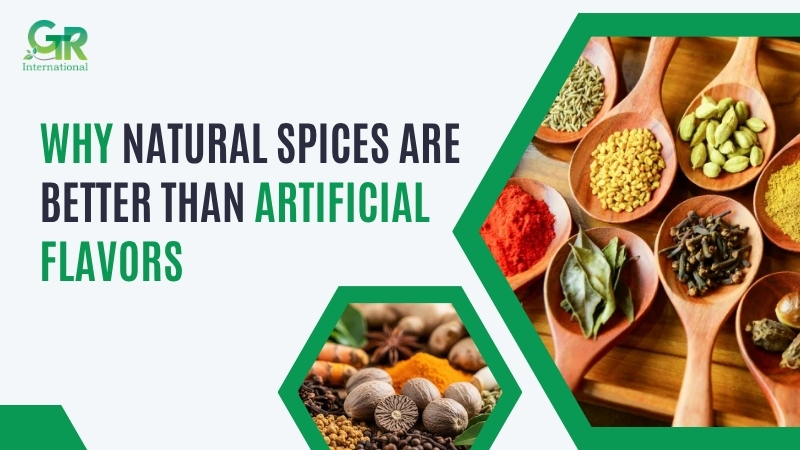
Natural spices have been part of human diets for thousands of years.
They add flavor, aroma, color, and nutritional value without relying on synthetic compounds.
Artificial flavors can imitate certain tastes, but they cannot fully reproduce the complexity of real spices.
As consumers become more interested in clean-label foods, natural ingredients continue to gain popularity.
This guide explains why natural spices remain the better choice for cooking, health, and food quality.
Introduction
Natural spices do much more than make food taste better.
They contain essential oils, antioxidants, vitamins, minerals, and plant compounds that contribute to overall wellness.
Artificial flavors are designed to recreate specific tastes using laboratory-produced chemicals.
Although approved artificial flavors are considered safe within regulatory limits, they provide flavor only.
They do not offer the complete nutritional profile found in real spices.
Consumers today read ingredient labels more carefully than ever.
Many prefer recognizable ingredients instead of long chemical names.
Restaurants, food manufacturers, and home cooks are also responding to this demand by choosing authentic spices.
Using natural spices improves flavor while supporting cleaner food production.
It also preserves traditional cooking methods that have been valued across cultures for generations.
Choosing real spices means choosing ingredients that provide more than taste alone.
They contribute aroma, appearance, freshness, and nutritional value in one simple ingredient.
What Are Natural Spices?
Natural spices come directly from plants.
They may be seeds, bark, roots, fruits, flower buds, or dried berries.
Unlike artificial flavorings, they undergo minimal processing before reaching consumers.
Their flavor comes naturally from essential oils and plant compounds.
Each spice has a unique chemical profile created by nature.
This complexity produces richer flavors that synthetic alternatives cannot completely copy.
Natural spices are used worldwide in traditional and modern cooking.
They improve soups, curries, baked goods, beverages, sauces, snacks, and desserts.
Many spices also contain beneficial antioxidants and anti-inflammatory compounds studied for their potential health benefits.
Freshly ground spices usually deliver stronger aroma and better flavor than pre-ground products because volatile oils remain intact longer.
Proper storage in airtight containers away from light and moisture also helps maintain quality.
Consumers increasingly choose natural spices because they recognize the ingredients and appreciate authentic taste.
Food manufacturers are also reformulating products with natural seasonings to meet clean-label expectations.
Real spices create meals that taste fresher, smell better, and contain naturally occurring plant compounds.
Examples of Natural Spices
Common natural spices include:
- Turmeric
- Black pepper
- Cinnamon
- Cardamom
- Cloves
- Coriander
- Cumin
- Nutmeg
- Ginger
- Paprika
Each spice contributes its own aroma, flavor, and nutritional compounds.
Combining spices creates balanced seasoning blends without synthetic additives.
How Natural Spices Are Produced
Spices are harvested from mature plants.
They are cleaned, dried, graded, and sometimes ground into powder.
Minimal processing preserves natural oils responsible for flavor and aroma.
Quality suppliers maintain careful handling practices to protect freshness throughout storage and transportation.
What Are Artificial Flavors?
Artificial flavors are laboratory-created compounds designed to imitate natural tastes.
Scientists identify key aroma molecules responsible for certain flavors and reproduce them synthetically.
These compounds help manufacturers create consistent taste while reducing production costs.
Artificial flavors appear in many processed foods because they remain stable during manufacturing and storage.
They are commonly found in:
- Soft drinks
- Candy
- Packaged snacks
- Instant desserts
- Ice cream
- Breakfast cereals
- Processed baked goods
Although regulatory agencies evaluate approved artificial flavorings for safety, they provide flavor only.
They do not contain the full spectrum of plant compounds found in natural spices.
As consumers become more ingredient-conscious, many brands now replace artificial flavors with real herbs and spices.
Natural ingredients better match current demand for transparency and authenticity.
Food companies also recognize that clean labels influence purchasing decisions.
Products featuring recognizable ingredients often build greater consumer trust.
Artificial flavors remain useful in certain industrial applications, but they cannot fully replace the sensory experience created by authentic spices.
How Artificial Flavors Are Made
Scientists isolate or synthesize aroma molecules.
These compounds are blended to recreate specific flavors.
The final product mimics taste but lacks the natural complexity of whole spices.
Where Artificial Flavors Are Commonly Used
Artificial flavors frequently appear in processed foods designed for long shelf life.
Manufacturers use them to maintain consistent flavor across large production batches.
Natural Spices vs Artificial Flavors
Natural spices and artificial flavors may produce similar taste impressions, but their overall value differs significantly.
Natural spices contribute aroma, color, texture, and beneficial plant compounds.
Artificial flavors mainly reproduce taste.
Real spices contain hundreds of naturally occurring compounds working together.
These compounds create layered flavor that develops during cooking.
Artificial flavors generally focus on one or several dominant aroma molecules.
As a result, they often taste less complex.
Natural spices also appeal to consumers seeking clean ingredients.
Ingredient labels remain simple and recognizable.
This transparency builds confidence and supports healthier purchasing decisions.
Food manufacturers increasingly promote products made with real spices because they align with modern consumer preferences.
Natural spices also support culinary traditions around the world.
Recipes developed over centuries rely on authentic spice profiles that artificial flavorings cannot fully duplicate.
Whether preparing homemade meals or commercial products, natural spices consistently deliver richer sensory experiences.
Taste and Aroma
Natural spices provide depth, balance, and evolving flavor.
Artificial flavors usually recreate only selected aroma notes.
Nutritional Value
Natural spices contain antioxidants, minerals, vitamins, and beneficial phytochemicals.
Artificial flavors contribute little or no nutritional value.
Food Safety
Approved artificial flavors are regulated.
Natural spices also require quality control to prevent contamination.
Buying from reputable suppliers supports product safety.
Ingredient Transparency
Consumers easily recognize ingredients like cinnamon or turmeric.
Simple labels often increase purchasing confidence.
Health Benefits of Natural Spices
Natural spices have attracted scientific interest because they contain bioactive compounds associated with overall wellness.
While spices are not medicines, regular use as part of a balanced diet may contribute to better health.
Many spices naturally contain antioxidants that help protect cells from oxidative stress.
Others support digestion or contain compounds studied for anti-inflammatory activity.
Using spices instead of excessive salt or sugar can also improve dietary quality.
Home cooks often create flavorful meals while reducing sodium intake.
Natural spices also encourage greater consumption of vegetables, legumes, and whole grains by making healthy foods more enjoyable.
Because spices add strong flavor without significant calories, they fit well into many healthy eating patterns.
Combined with balanced nutrition and regular exercise, natural spices become valuable everyday ingredients.
Rich in Antioxidants
Cloves, cinnamon, turmeric, oregano, and many other spices contain powerful antioxidant compounds that help protect cells from oxidative damage.
Supports Digestion
Ginger, cumin, fennel, coriander, and cardamom have traditionally been used to support comfortable digestion after meals.
Natural Anti-inflammatory Properties
Curcumin in turmeric and gingerols in ginger have been widely studied for their anti-inflammatory potential.
Environmental Benefits
Choosing natural spices often supports more sustainable agriculture.
Many spice farms rely on traditional cultivation methods passed through generations.
Responsible farming practices help protect biodiversity while supporting rural communities.
Natural spice production generally requires less industrial chemical processing than manufacturing synthetic flavor compounds.
Many consumers also prefer purchasing spices from companies committed to ethical sourcing.
Sustainable farming encourages healthier soil, efficient water management, and long-term agricultural productivity.
Supporting responsible spice producers benefits farmers while preserving valuable plant varieties.
Reducing highly processed ingredients may also decrease manufacturing complexity and energy use.
As environmental awareness grows, natural ingredients continue gaining importance across the food industry.
Consumers increasingly view purchasing decisions as opportunities to support healthier food systems.
Sustainable Farming
Ethical spice farming protects natural resources while supporting farming communities.
Reduced Chemical Processing
Natural spices usually require harvesting, drying, cleaning, and grinding instead of complex chemical manufacturing.
How to Choose Quality Natural Spices
Buying high-quality spices ensures better flavor, longer freshness, and improved value.
Whole spices generally retain essential oils longer than ground spices.
Grinding immediately before cooking produces stronger aroma.
Always examine ingredient labels carefully.
Choose products containing only the spice itself whenever possible.
Avoid unnecessary fillers, artificial colors, or flavor enhancers unless required for a specific product.
Purchase from reputable suppliers that emphasize freshness, food safety, and traceability.
Proper packaging also matters.
Airtight containers protect spices from moisture, heat, and sunlight.
Store spices in cool, dry cupboards rather than near the stove.
Replacing old spices regularly maintains consistent cooking results.
Fresh spices transform everyday recipes with stronger flavor and better aroma.
Read Ingredient Labels
Look for:
- Single-ingredient spices
- Harvest or packing dates
- Quality certifications when available
- No unnecessary additives
Buy from Trusted Suppliers
Reliable suppliers maintain strict quality standards, hygienic processing, and proper storage conditions.
Conclusion
Natural spices offer far more than flavor.
They provide authentic aroma, nutritional compounds, ingredient transparency, and traditional culinary value.
Artificial flavors may deliver consistency and lower production costs, but they cannot fully reproduce the complexity of real spices.
Whether preparing family meals or developing commercial food products, choosing high-quality natural spices improves taste, supports cleaner ingredient labels, and aligns with growing consumer demand for wholesome foods.
Investing in genuine spices is a simple step toward better cooking, better food quality, and a more natural dining experience.